Building an Earth Intelligence Platform with Vibe Coding
March 13, 2026
How AI-assisted development let one engineer build a real-time view of the planet, using nothing but open data.
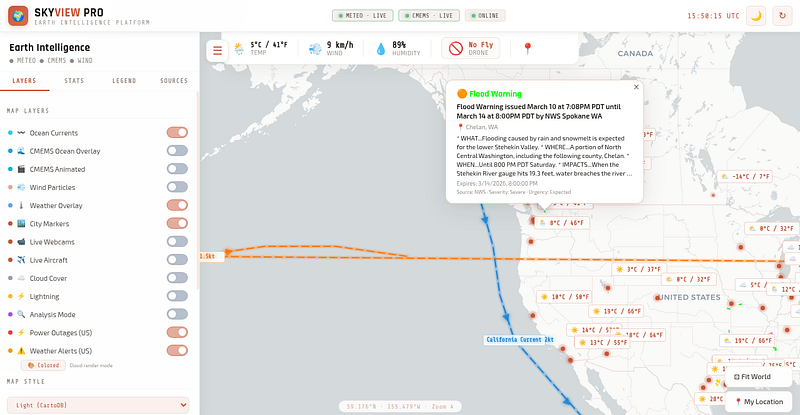
It started with a practical question asked on the road: is the weather good enough to fly the drone today? The answer grew into SkyView Pro, an Earth intelligence platform that brings live satellite imagery, weather, ocean currents, aircraft and environmental alerts onto a single map. It was built with the AI-assisted workflow now known as vibe coding, and it runs entirely on freely available, publicly funded data: no proprietary licences and no paid subscriptions.
The ocean, in motion
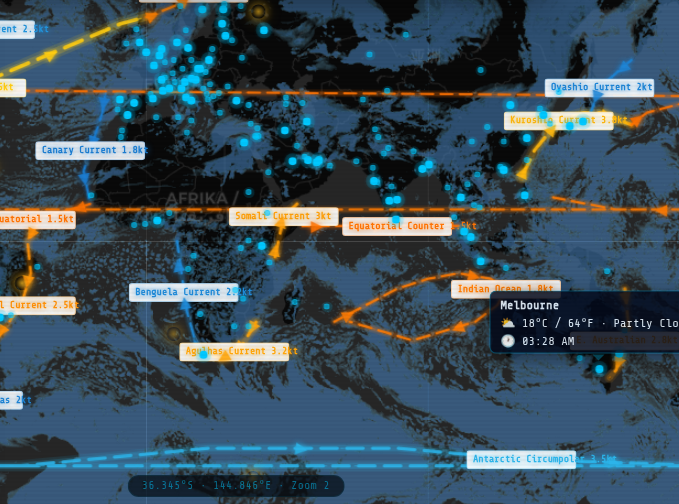
The feature I return to most is the ocean. Satellite altimetry reveals vast swirling eddies spread across the sea like fingerprints, each one unique and constantly changing.
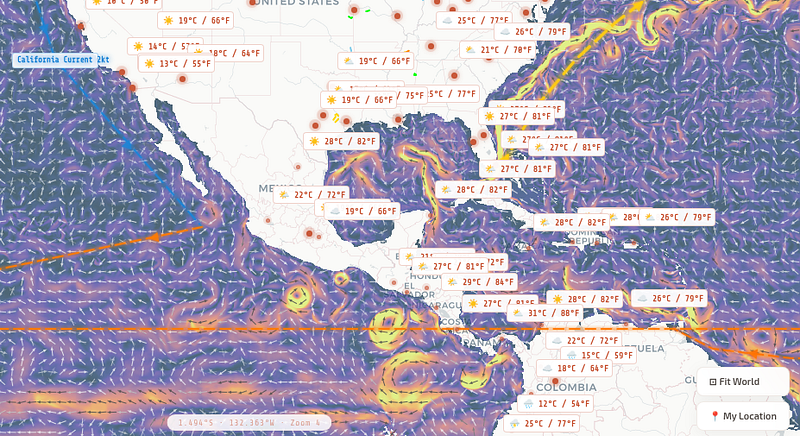
These vortices can span hundreds of kilometres, and they matter far beyond their beauty. They carry tropical heat towards the poles, transport the nutrients that feed marine life, shape weather thousands of miles away, and help drive the great conveyor-belt circulation that regulates the planet’s climate. On SkyView Pro, the Gulf Stream, the Kuroshio and the Antarctic Circumpolar Current appear as what they really are: fluid dynamics on a planetary scale, pulsing, merging and fading with the tides and the seasons.
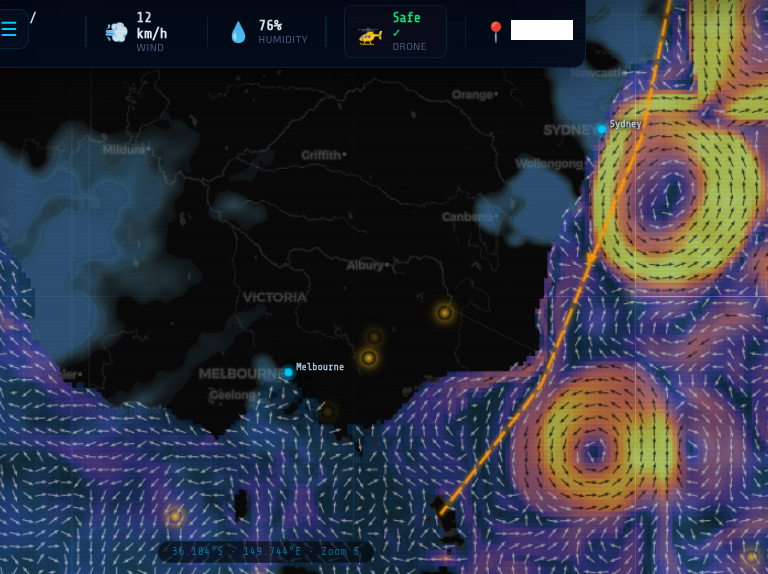
The Earth’s circulatory system, rendered live, from data anyone can download.
A planet on one screen
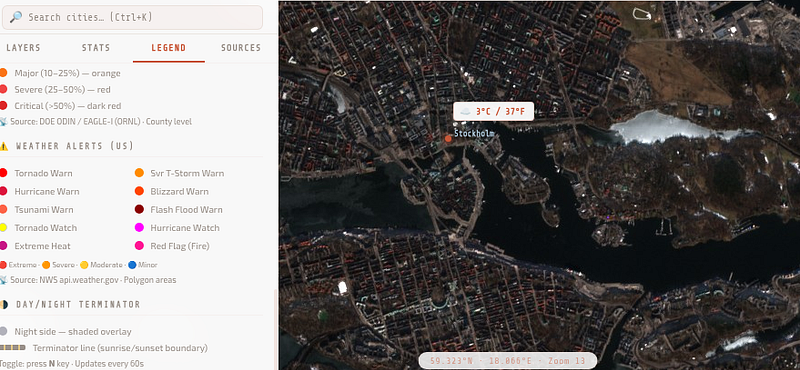
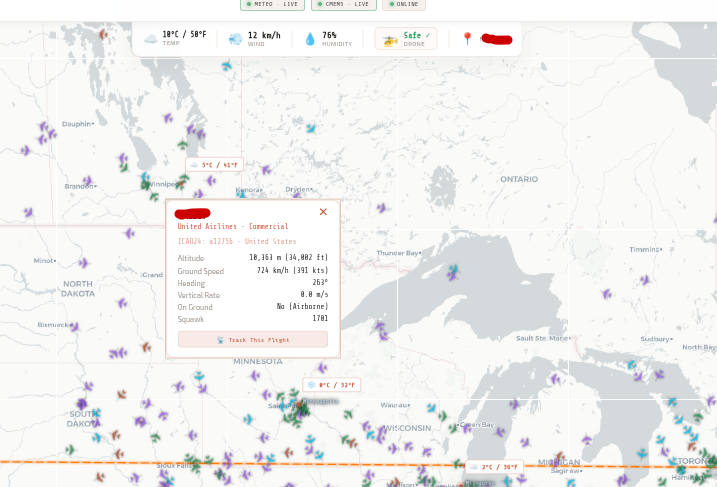
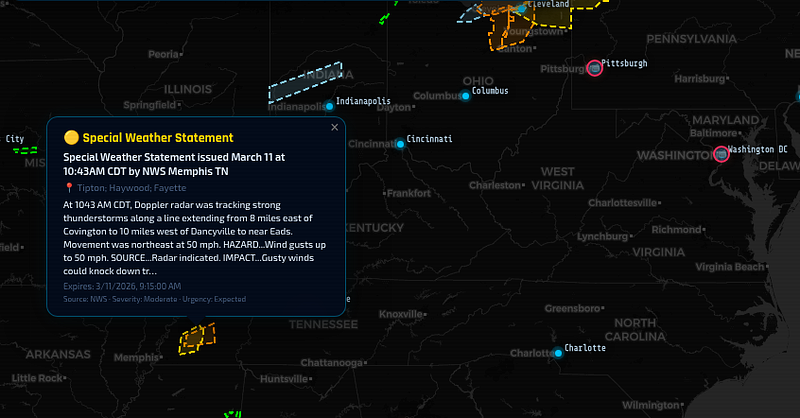
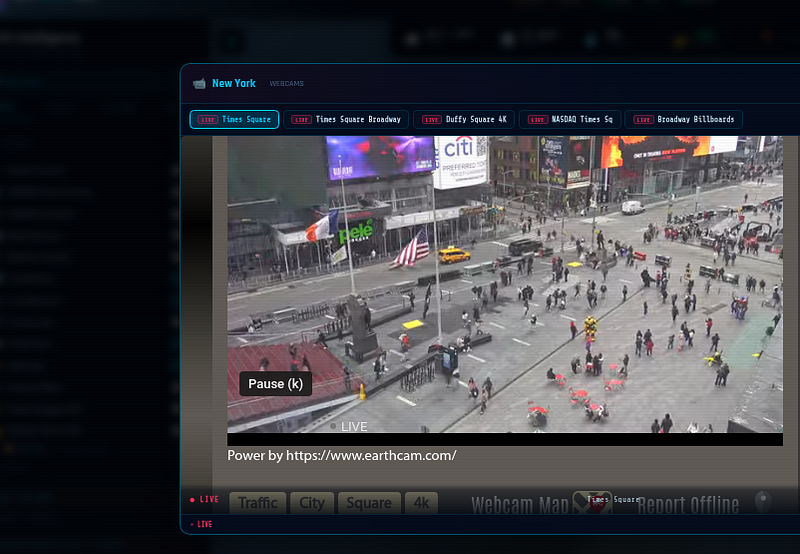
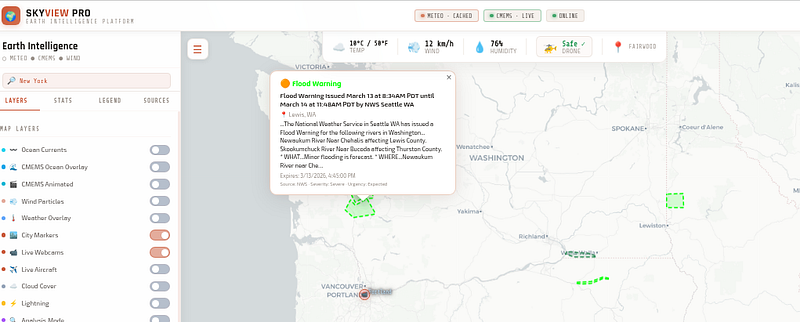
Around the oceans, the rest of the planet fills in. Sentinel-2 satellite imagery arrives through Copernicus alongside cloud-free base maps. Nineteen major ocean currents are animated in real time. Hundreds of wind particles drift across the map, coloured by speed, direction or altitude. Aircraft of more than 150 types are tracked live, and the platform sends a WhatsApp or Home Assistant notification the moment a chosen flight lands. Current conditions and forecasts cover more than 120 cities, public webcams sit directly on the map, and National Weather Service alerts flag tornadoes, hurricanes and flash floods.


Knowing when to fly
The drone question that started it all now has a one-glance answer. Instead of juggling several weather apps, the Drone Flyability Assistant reads the current wind, gusts, precipitation, visibility and temperature, and returns a simple verdict. Green means safe to fly: winds below 20 km/h, clear visibility and no rain. Amber means caution, with winds of 20 to 30 km/h or moderate gusts. Red means stay on the ground: winds above 30 km/h, rain, fog or anything else that could unsettle the aircraft, soak its electronics or drain its battery.
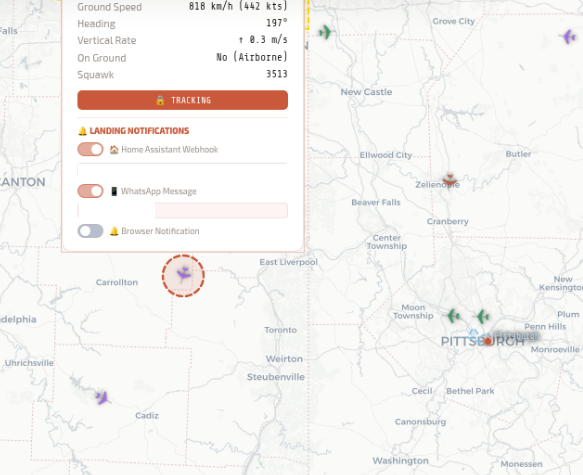
The same attention to the moment carries over to aircraft. Whether it is a relative’s flight or a business jet, the platform watches it in real time and sends a notification the instant it touches down, wherever you happen to be.
Work that once needed an engineering department can now be done by a single developer with AI at their side.
What one engineer can build
SkyView Pro is less a mapping application than a demonstration of a shift. AI-assisted development is more than a productivity gain: it changes what individual engineers, including those without formal software training, and small teams can deliver. Combined with the wealth of open Earth-observation data, it turns raw numbers into something you can see and act on, from ocean vortices to the wind over your own street.
As AI tools mature and open-data programmes grow, engineers in mechanical, civil and neighbouring disciplines will be able to build more and more on their own. The question is no longer whether something can be built, but what is worth building next.