The humble RPi CM5 that powers Sensing, Automation, Analytics & Media at home
May 27, 2025
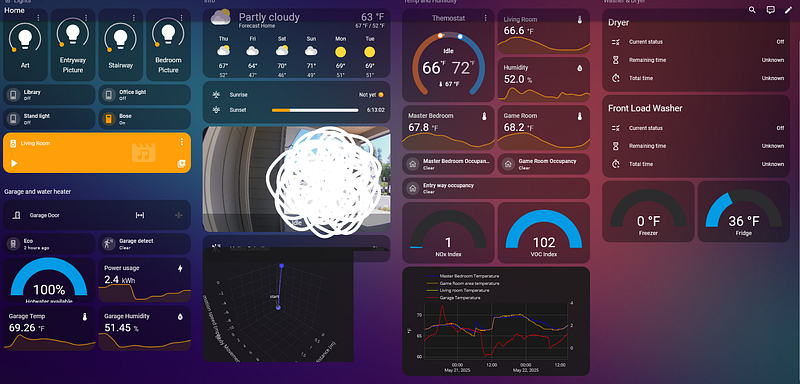
The Raspberry Pi CM5 runs my entire Home Assistant setup. It's small, energy-efficient, and powerful enough to handle complex tasks 24/7.
The quad-core ARM Cortex-A76 and up to 8GB LPDDR5 ECC RAM keep things responsive even with dozens of sensors and automations running.
Speaking of sensors, the CM5's versatility really shines when handling multiple inputs. Temperature and humidity sensors in each room help keep comfort levels just right, while motion sensors manage lighting and security. I also added camera integration using our existing security cameras with AI vision capabilities. With LLM vision integration, my cameras can recognize and distinguish between different vehicle types, makes, and models, as well as provide descriptions of people.
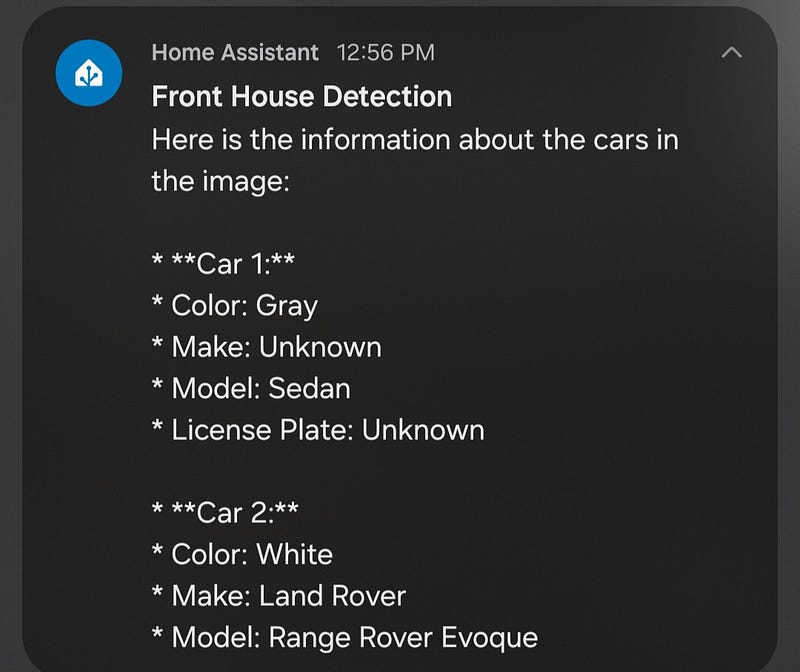
Instead of a generic "motion detected" alert, I get specifics: "Person in blue jacket approaching with a package." I know exactly what car pulled up and what color it is. When deliveries arrive, I get a snapshot and description instantly on my phone.
Plex Media Server runs on the CM5 too, streaming and transcoding media across the house without breaking a sweat.
In my garage, I've been using an mmWave sensor. This radar technology can detect and analyze human movements with remarkable precision. It tracks my workout sessions, providing detailed data about movement patterns and exercise duration.
To handle the substantial amount of data generated by various sensors, I've implemented MariaDB as my database solution. This database efficiently stores and manages data from all sensors, including exercise tracking information, temperature readings, security events, and automation logs.
Through Home Assistant, I also use the built-in Jupyter notebook integration. This allows me to perform sophisticated data analytics on the collected information. Using Python and various data science libraries, I can create detailed visualizations and reports about my home's operation. For instance, I can analyze patterns in temperature variations, study exercise habits over time, or identify trends in energy usage.
Environmental monitoring is another crucial aspect of my smart home system. I've incorporated VOC (Volatile Organic Compounds) and NOx (Nitrogen Oxides) sensors to maintain comprehensive air quality monitoring throughout the house. These sensors provide detailed data about indoor air pollutants that could affect our health. The VOC sensors detect a wide range of organic compounds from everyday sources like cleaning products, paint, and furniture, while the NOx sensors monitor pollution that might enter from outside, especially during high traffic periods.
The CM5 processes this environmental data in real-time, triggering automated responses when pollutant levels exceed predetermined thresholds.
Looking ahead, I plan to implement a system that analyzes wind patterns and predicts potential storm-related power outages.